This approach is a specialized form of chiropractic spinal decompression performed on a Cox table. It uses slow, controlled movements to gently open and mobilize the spine. The goal is to reduce pressure, improve motion, calm irritated tissues, and help your body heal more comfortably.
For the right person, Cox Technic can be a valuable part of a conservative care plan for conditions such as low back pain, sciatica, lumbar disc herniation, degenerative disc disease, and spinal stenosis.
Cox Flexion Distraction Decompression Technic is a gentle, hands-on chiropractic treatment that uses a specially designed table to move the spine through controlled flexion and distraction.
In simpler terms, that means:
Unlike forceful twisting or rapid movements, Cox Technic is usually slow, specific, and low-force. Many patients find it comfortable, especially when they are in an irritated, acute, or sensitive phase.
The purpose is not just to “crack the back.” The goal is to improve how the spine moves, reduce mechanical irritation, and create a better environment for healing.
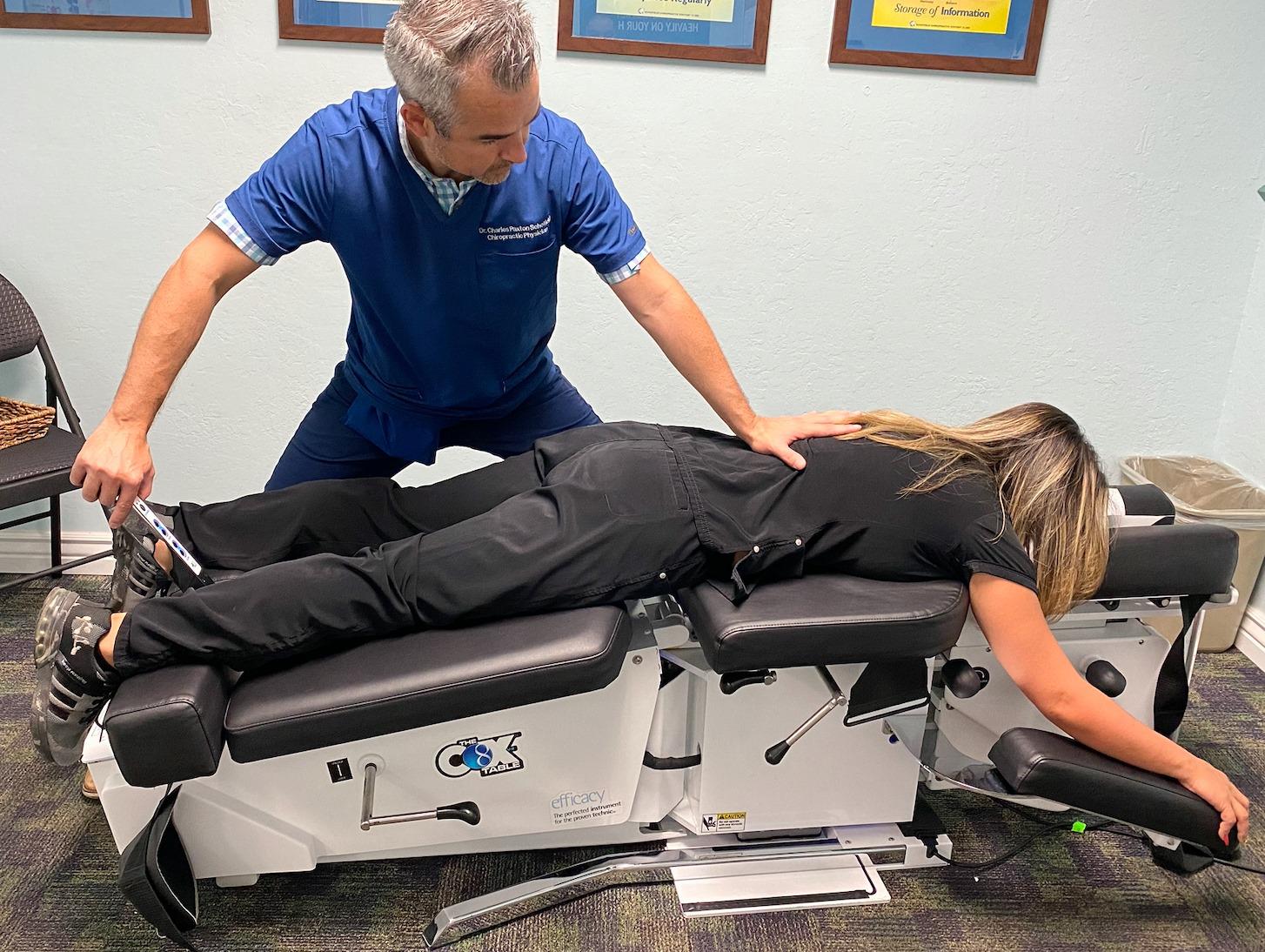
When spinal segments are gently distracted, this may reduce pressure in the disc and around irritated nerve roots. That can matter for people with disc bulges, disc herniations, or radiating leg pain such as sciatica.
Painful backs often do not just hurt. They also stop moving well. Restricted joints, guarding muscles, and irritated tissues can create a cycle of stiffness and pain. Cox Technic helps restore controlled motion without overwhelming the system.
When the spine is inflamed or irritated, aggressive treatment is not always the best fit. A gentle decompression-based approach can help calm the area while still moving it in a purposeful way.
At Atlas Chiropractic, we do not look at the spine in isolation. We look at how spinal mechanics, muscle control, movement patterns, posture, balance, and nervous system stress all work together. Cox Technic can be one part of a broader plan that may also include rehab, stability work, movement retraining, upper cervical care, vestibular-ocular work, dry needling, and lifestyle recommendations when appropriate.
Cox Technic is often considered for patients dealing with:
In some cases, it may also be used for certain neck and arm symptoms, depending on the person, the diagnosis, and whether the condition is appropriate for conservative care.
The research on flexion-distraction is promising, especially for certain types of low back pain and radicular symptoms, though it is important to be honest that not every study is the same and no treatment works for everyone.
A randomized clinical trial published in the European Spine Journal found that flexion-distraction produced greater pain relief than an active exercise program for chronic low back pain, with patients who had radiculopathy doing especially well in the flexion-distraction group [1].
A randomized trial in older adults with subacute or chronic low back pain found that low-force spinal manipulation, including Cox-style care, improved function and offered meaningful conservative benefit when compared with medical management [2].
A 2024 narrative review on non-surgical care for lumbar disc herniation with radiculopathy concluded that conservative care should generally be the first step when red flags are absent, and it identified mobilization/manipulation, exercise therapy, patient education, self-management, and short-term traction-related approaches among the supported options [3].
There is also observational data suggesting that adults receiving chiropractic spinal manipulative care for lumbar disc herniation and radiculopathy had lower odds of lumbar discectomy over follow-up compared with those receiving other care, though this does not prove cause and effect [4].
For lumbar spinal stenosis, a 2021 clinical practice guideline supported multimodal, non-surgical care including education, lifestyle changes, home exercise, manual therapy, and rehabilitation as an appropriate first-line strategy for many patients [5]. That fits well with how we use Cox Technic at Atlas Chiropractic: not as a stand-alone miracle fix, but as one tool inside a personalized plan.
At Atlas Chiropractic, we believe good care is not about chasing one image finding.
Many people have disc bulges, degeneration, or stenosis on imaging and do not all feel the same. Your pain experience is shaped by more than structure alone. It can also be influenced by:
That is why an evidence-informed holistic approach matters.
We combine the best available research, clinical experience, and your individual presentation. We also screen for red flags first to make sure care is safe and appropriate. If something suggests you need imaging, co-management, or a different provider, we will tell you.
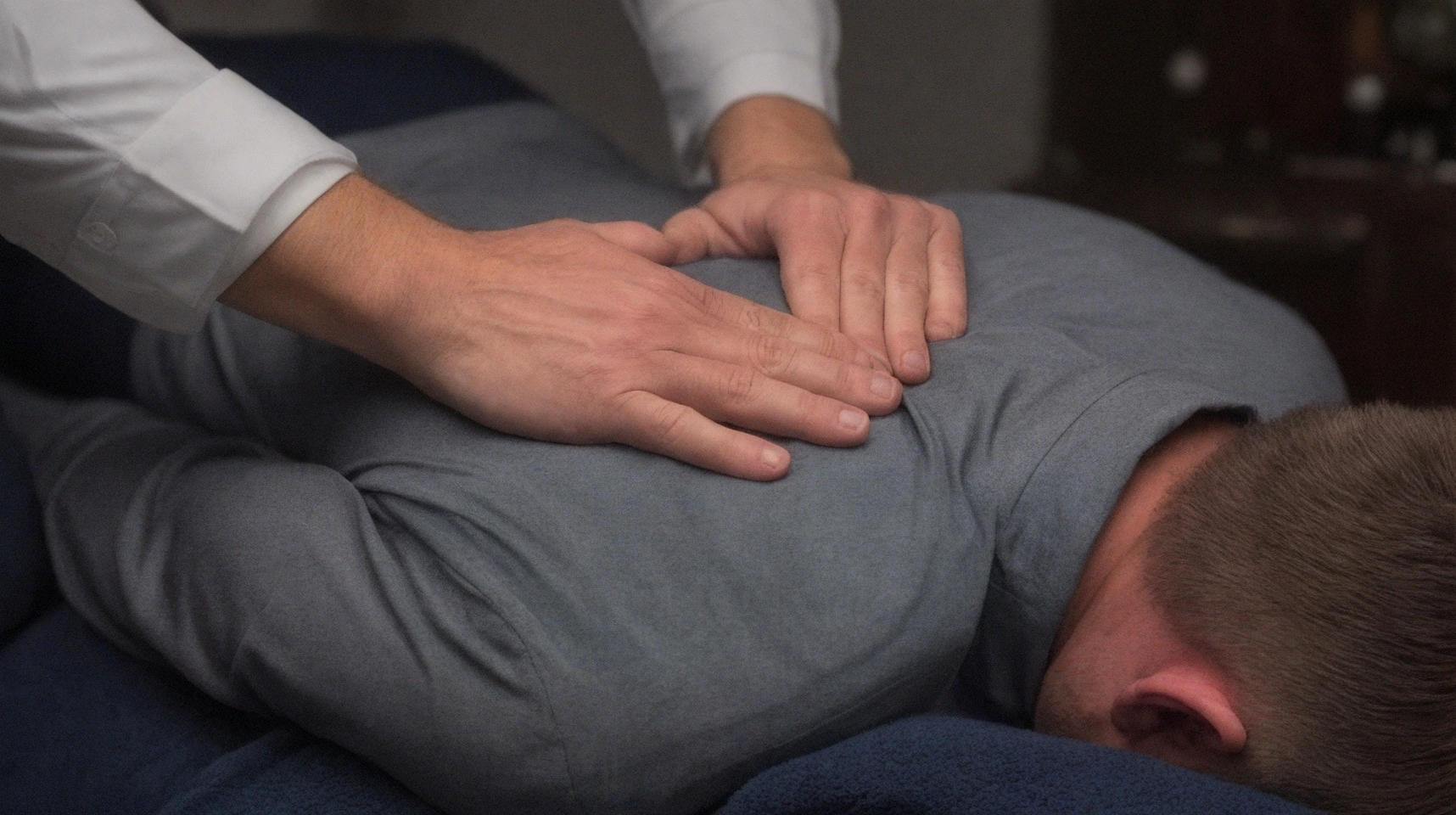
Most patients describe Cox Flexion Distraction as gentle and relieving.
You lie on a specialized table while the doctor uses controlled movements to guide the affected part of the spine through a specific decompression pattern. Treatment is usually smooth and measured rather than aggressive.
Depending on your case, your visit may also include:
Our goal is to match the treatment to your body’s current tolerance, not force your body to fit a treatment.
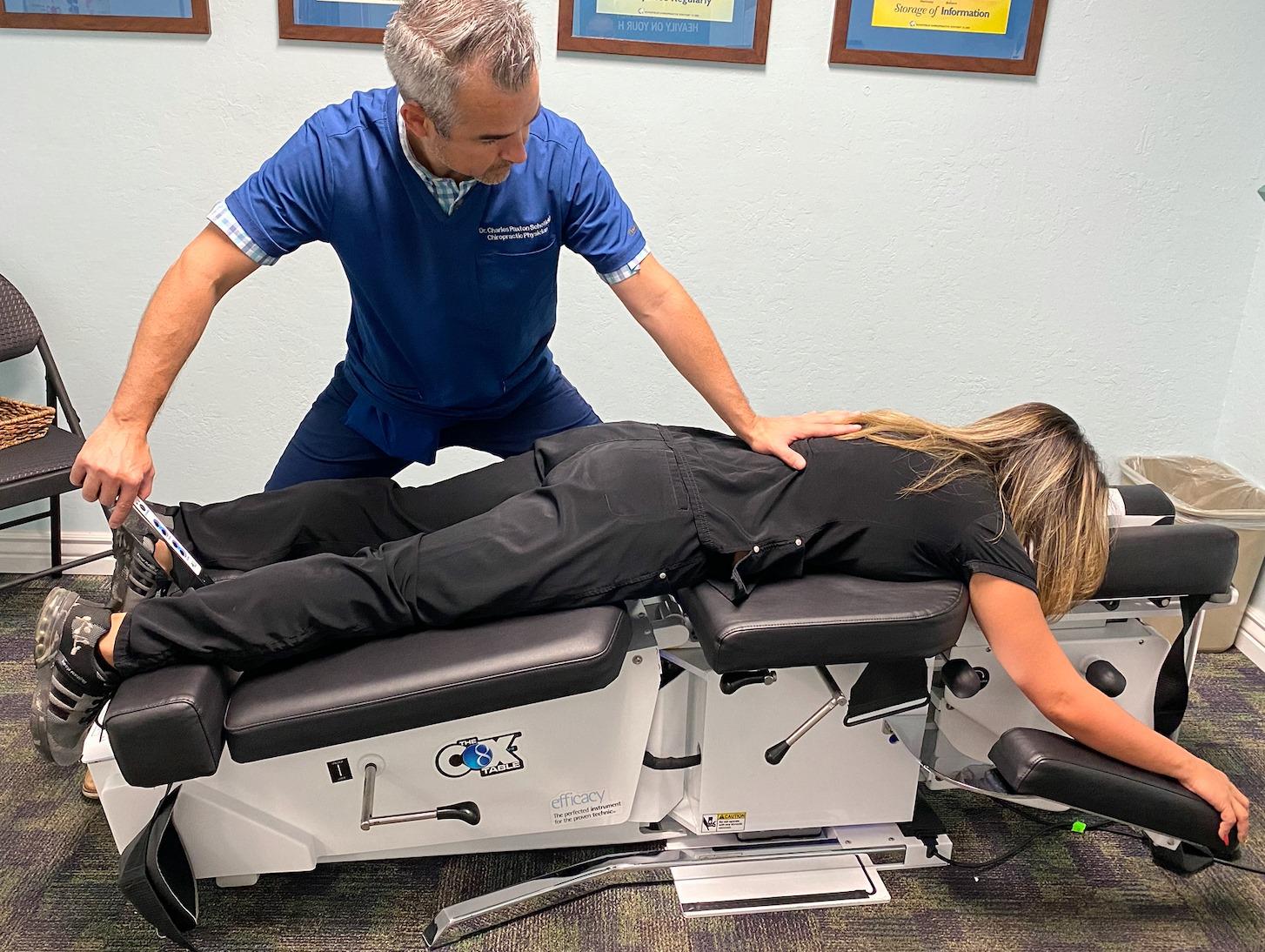
You may be a good candidate if you have:
This technique is often especially helpful for people who need a gentler approach.
Not every patient is a fit for every treatment.
Cox flexion-distraction may not be appropriate, or may need to be modified, in the presence of certain fractures, infections, severe instability, some advanced bone conditions, progressive neurological loss, or other red flags.
That is why your care should begin with a proper history, exam, and safety screening.
At Atlas Chiropractic, every patient journey begins with safety and understanding. We first ask: Is it safe to treat? Then: What is the most appropriate next step?
We use Treatment-Based Classification and individualized clinical reasoning to decide what type of care fits best.
For some patients, Cox Technic is the primary treatment.
For others, it is one part of a broader plan.
That broader plan may include:
The focus is not just pain relief. The focus is helping you move better, build more resilience, and reduce the mechanical stress that keeps the problem going.
Not exactly. It shares some decompression principles, but Cox Technic is more specific, hands-on, and segmental. It is a clinical procedure performed by a trained provider using a Cox table.
Most patients find it comfortable. In an irritated spine, gentler often works better than forceful.
It may help some cases of sciatica, especially when symptoms are related to disc irritation, nerve root irritation, or certain forms of spinal stenosis. A proper exam is needed first.
It may be part of a conservative care plan for disc-related pain and radiculopathy. Results vary by person, severity, chronicity, and overall health.
Cox Flexion Distraction Decompression Technic is a gentle, evidence-informed, non-surgical treatment designed to reduce spinal stress, improve motion, and help calm irritated discs, joints, and nerves.
For the right patient, it can be a valuable part of a holistic care plan for back pain, sciatica, disc problems, and spinal stenosis.
At Atlas Chiropractic, we do not believe in one-size-fits-all care. We start by making sure treatment is safe, then we build a plan around your condition, your goals, and how your body responds.
If you are dealing with back pain, leg pain, numbness, or disc-related symptoms and want to explore a conservative option, Cox Flexion Distraction may be worth considering.
[1] A randomized clinical trial and subgroup analysis to compare flexion–distraction with active exercise for chronic low back pain. Gudavalli M, Cambron J, McGregor M, et al. 2006. European Spine Journal. Cited 128 times.
[2] A randomized controlled trial comparing 2 types of spinal manipulation and minimal conservative medical care for adults 55 years and older with subacute or chronic low back pain. Cox JM. 2009. Journal of Manipulative and Physiological Therapeutics. Cited 3 times.
[3] Non-Surgical Approaches to the Management of Lumbar Disc Herniation Associated with Radiculopathy: A Narrative Review. El Melhat AM, Youssef A, Zebdawi MR, et al. 2024. Journal of Clinical Medicine. Cited 30 times.
[4] Association between chiropractic spinal manipulation and lumbar discectomy in adults with lumbar disc herniation and radiculopathy: retrospective cohort study using United States’ data. Trager R, Daniels CJ, Perez JA, et al. 2022. BMJ Open. Cited 12 times.
[5] Non-Surgical Interventions for Lumbar Spinal Stenosis Leading To Neurogenic Claudication: A Clinical practice guideline. Bussières A, Cancelliere C, Ammendolia C, et al. 2021. The Journal of Pain. Cited 73 times.
