Being told you have a lumbar disc herniation can sound serious, especially if you’re dealing with back pain, leg pain, or nerve-related symptoms.
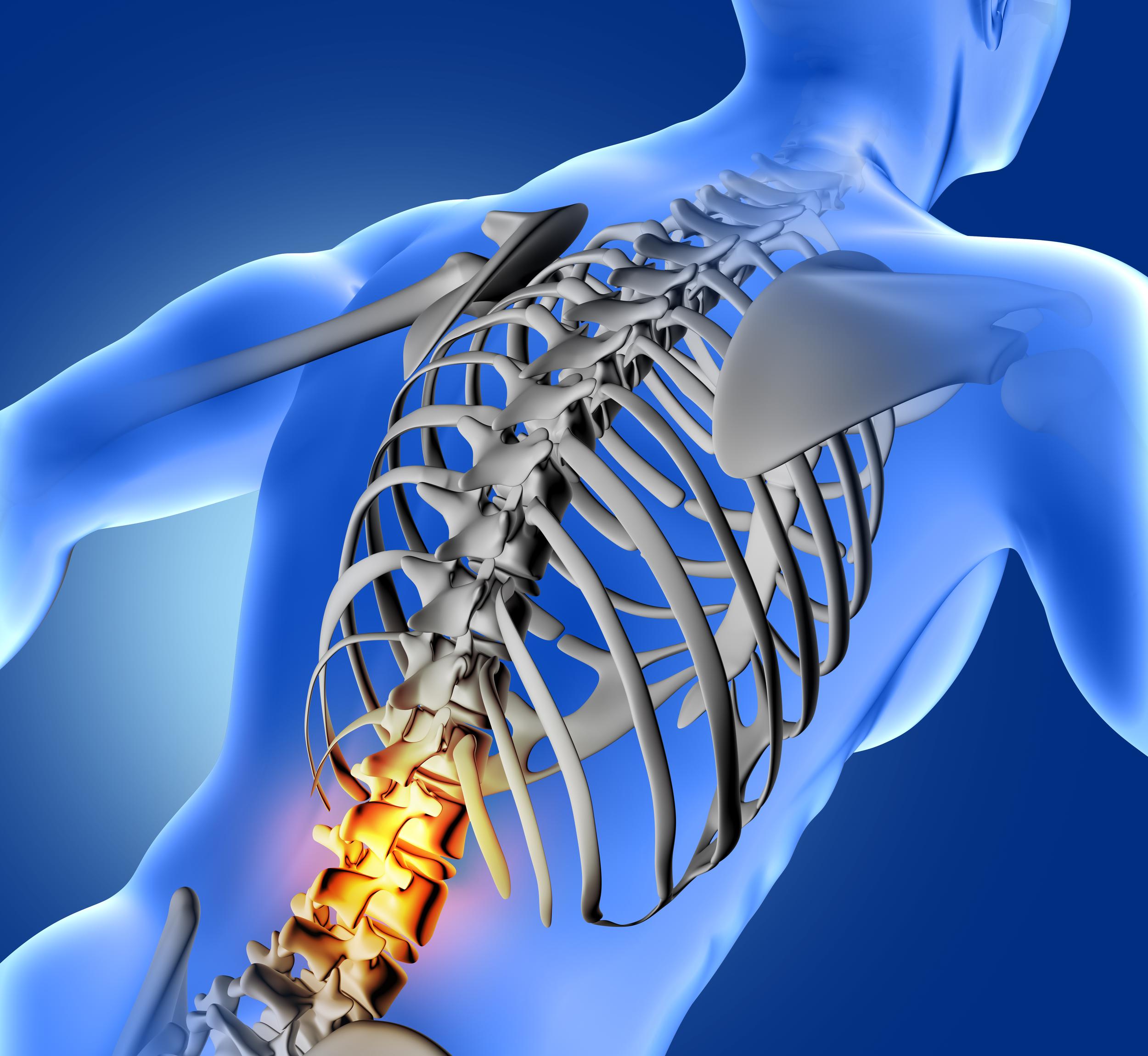
A disc herniation occurs when part of a spinal disc pushes outward and irritates nearby nerves. While this can be painful, many cases respond well to conservative care focused on reducing irritation and improving how the body moves.
At Atlas Chiropractic, we focus on helping you understand your condition, reduce pressure on the affected area, and support long-term recovery—without rushing into aggressive treatments.
A herniated disc in the lower back can affect nearby nerves, which is why symptoms are often felt beyond just the spine.
You may experience:
In some cases, symptoms may resemble sciatica due to nerve involvement.
Disc herniations can develop suddenly or gradually over time. They’re often the result of repeated stress on the spine rather than a single event.
Common contributing factors include:
In many cases, the disc becomes more sensitive over time before symptoms fully appear.
Some disc issues improve on their own, but others can worsen or lead to ongoing nerve irritation if not properly managed.
You should consider getting evaluated if:
Seek immediate medical attention if you experience:
At Atlas Chiropractic, we always begin by determining whether care is safe and appropriate for your condition.
We don’t treat disc herniations based on imaging alone. Instead, we focus on how your body is functioning and what’s contributing to your symptoms.
Our approach typically includes:
Care is adjusted over time based on how your body responds—not a fixed protocol.
Depending on your condition, your care plan may include a combination of treatments.
These may include:
The goal is to reduce pressure on the disc and nerve while helping your body move more effectively.

Many people assume a disc herniation is purely a structural problem, but symptoms are influenced by how your body moves, stabilizes, and responds to stress.
Our approach focuses on:
By addressing these factors together, many people are able to recover and return to normal function without invasive treatment.
